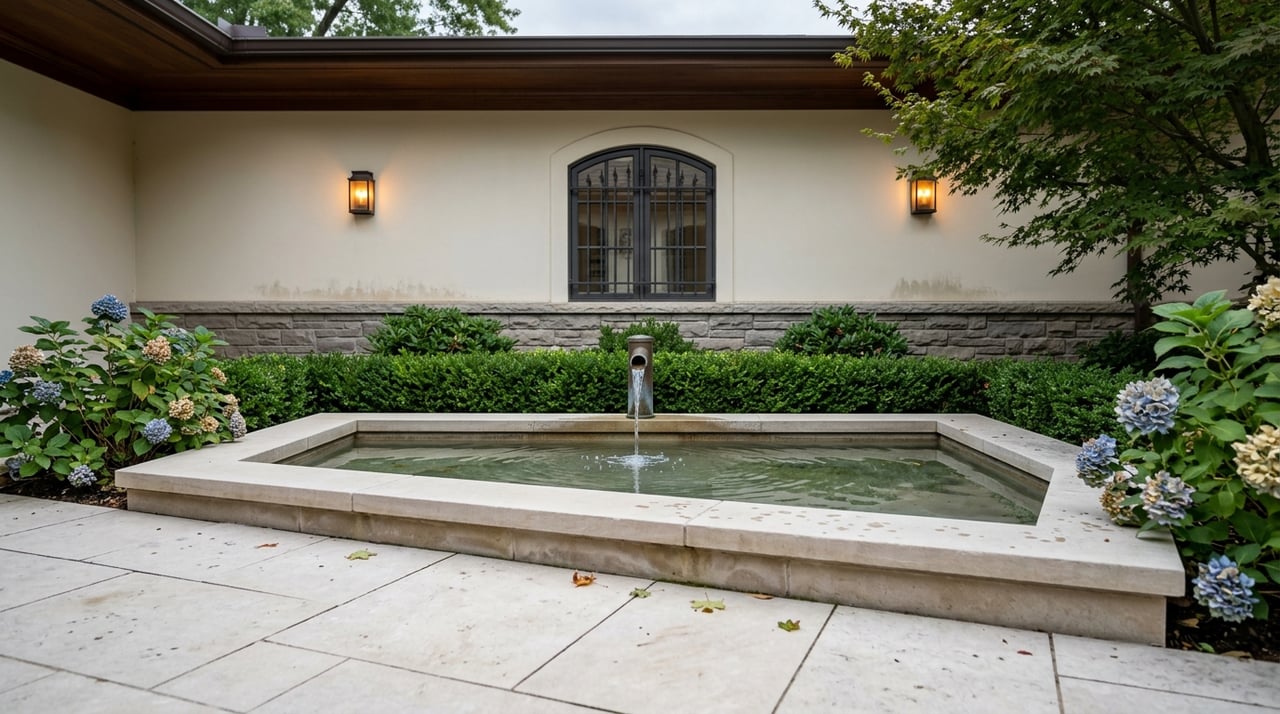
Selling In Woodway Versus Edmonds: Strategy Shifts
July 9, 2026
July 9, 2026
If you are selling in Woodway or Edmonds, it is easy to assume the same playbook will work in both places. On paper, they are neighboring markets with premium homes and strong appeal. In practice, they attract buyers for different reasons, move at different speeds, and reward different listing strategies. If you want to protect your price and timing, you need a plan that matches the town, not just the ZIP code next door. Let’s dive in.
Woodway and Edmonds may sit close together, but their housing patterns are not the same. Woodway is a low-density residential town with 476 homes, no commercial districts, and a landscape shaped by forest and open space. Edmonds is a waterfront city with a walkable downtown, multiple business districts, and access to rail, bus, ferry, and bicycle routes.
That difference shapes how buyers see value. In Woodway, buyers often focus on privacy, lot character, and how the site lives. In Edmonds, buyers may respond more quickly to convenience, public visibility, downtown access, waterfront proximity, and a broader range of housing options.
Inventory is one of the clearest reasons your strategy should shift. As of May 31, 2026, Woodway had just 4 homes for sale, while Edmonds had 210. That means every Woodway listing carries outsized weight, while Edmonds gives buyers a much larger field to compare.
Typical values also sit in different tiers. Woodway’s typical home value was $2,397,877, compared with $940,794 in Edmonds. Over the same period, both markets were down slightly year over year, with Woodway down 1.9% and Edmonds down 1.8%.
Recent sale prices reinforce that gap. In the last three months ending May 2026, Woodway’s median sale price was $2.34 million, while Edmonds came in at $1.049 million. Median sale price per square foot was also higher in Woodway at $760 versus $565 in Edmonds.
In Woodway, the comp set is thin. Only 5 homes sold there in May 2026, so one unusual sale can shift the market read more than it would in a higher-volume city. That makes broad averages less reliable and puts more weight on property-specific comparisons.
If you are selling in Woodway, pricing should account for lot quality, privacy, topography, setting, and utility of the site, not just square footage and finishes. A strong strategy often starts with a close review of truly comparable properties, even if that means working through a smaller sample with more nuance.
Edmonds had 164 closed sales in May 2026, which creates a deeper pool of recent comps. That volume can make pricing more straightforward because there is more evidence for how similar homes are performing. Buyers also tend to have a clearer sense of what else is available nearby.
That does not mean you can overprice. Snohomish County had 2.74 months of inventory in June 2026, still below the 4 to 6 months often associated with a balanced market. Even in a market with limited supply, disciplined pricing matters if you want strong early interest.
The next major shift is the buyer pool itself. Woodway and Edmonds attract overlap, but they are not identical in how buyers evaluate homes.
Woodway’s comprehensive planning documents emphasize large lots, preserved forest, open space, and site constraints such as critical areas and steep slopes. For sellers, that means the home is only part of the story. Buyers may be weighing seclusion, land character, access, and how usable the property feels on a day-to-day basis.
Edmonds offers a different value picture. The city highlights its waterfront setting, beaches, parks, walkable downtown, and transportation access. Its 2025 zoning update also broadened the low-density residential framework to allow a wider mix of housing types in areas that were formerly single-family only.
A Woodway buyer may respond most strongly to qualities that are hard to duplicate. Mature landscaping, distance from neighboring homes, a quiet approach, and the way indoor and outdoor spaces connect can carry real weight. In that setting, your marketing should explain not just what the house looks like, but why the property feels rare.
This is where presentation becomes more selective and story-driven. Instead of treating privacy as a side note, it should often be positioned as a central part of value.
In Edmonds, access can be part of the headline. Depending on location, buyers may care about downtown convenience, waterfront amenities, transit connections, or the flexibility that comes with a broader housing framework. That can widen the buyer pool and create more urgency when a home hits the market well prepared.
For some sellers, this means the property is being judged through more than one lens. A home may appeal as a lifestyle purchase, a move-up opportunity, or in some locations, a property with added flexibility because of the city’s updated zoning structure.
How you let buyers experience the home should also change by market. A smart showing strategy supports the character of the property and the pace of local demand.
Woodway usually benefits from a more controlled approach. The town’s street pattern and park-like residential character support private, well-managed showings, careful arrival instructions, and thoughtful photography that respects the setting. For many Woodway sellers, discretion is part of the product.
Edmonds can often support a more public launch. The city’s stronger transaction volume, shorter average time to sale, and higher bidding activity create conditions where broad exposure and in-person traffic can help a listing gain momentum quickly.
If you are selling in Woodway, a privacy-first rollout may be the better fit. That can mean polished listing materials, strong landscape preparation, selective previews, and showing schedules designed around qualified interest rather than maximum foot traffic.
This approach does not reduce exposure. It simply recognizes that Woodway’s market is structurally thin and that the home’s setting may call for a more curated experience.
Edmonds homes, on average, are selling faster. Redfin data for the last three months ending May 2026 showed Edmonds as the more competitive market, with homes receiving 2 offers on average, going pending in about 7 days, and selling around 1% above list.
Woodway, by comparison, was somewhat competitive, with homes going pending in around 28 days and selling about 1% below list. For Edmonds sellers, that often makes launch timing, open house execution, and offer management especially important.
A good listing strategy is not just about price and prep. It is also about where and how you place the home in front of buyers.
For Woodway, the strongest channel mix is often selective. MLS exposure still matters, but it can be paired with broker-to-broker outreach, curated email distribution, luxury presentation, and private previews for qualified buyers. That fits a market with limited inventory, a narrower buyer pool, and homes where privacy and land value may be central.
For Edmonds, public visibility can do more work. The city has multiple business districts, an active downtown environment, and permit systems that support downtown parking management for residents, visitors, employees, and RV parking. For sellers, that can make open houses, neighborhood positioning, and clear showing logistics more valuable.
The simplest way to think about Woodway is scarcity. There are few listings, few sales, and a highly specific setting. Your marketing should reflect that by emphasizing exclusivity, site quality, and the unique experience of the property.
That usually calls for quality over volume. Clean visuals, polished property storytelling, and a discreet rollout often fit the market better than a mass-audience approach.
Edmonds often wins through reach. More active buyers, more turnover, and more reasons for buyers to spend time in the city can support a bigger public-facing push. If your home benefits from proximity to downtown, the waterfront, or transportation access, that story should be easy to see from the first day on market.
In Edmonds, momentum matters. A well-priced home with strong preparation and broad visibility can create a very different launch dynamic than a similar-quality listing in Woodway.
Before you bring a home to market in either town, it helps to align your plan around the local conditions.
Here are a few practical priorities:
Selling in Woodway versus Edmonds is not about choosing the better market. Both can support premium listings. The difference is that they succeed for different reasons.
Woodway tends to reward precision, privacy, and property-specific storytelling. Edmonds tends to reward visibility, timing, and a broader public launch. If you tailor the strategy to the town, you give yourself a better chance to protect value, attract the right buyers, and negotiate from a stronger position.
If you are weighing the best way to position your home in Woodway or Edmonds, Adam Cobb can help you build a strategy around the property, the buyer pool, and the local market conditions.
With an unwavering commitment to client satisfaction, Adam's approach is both approachable and highly responsive, earning praise for his ability to exceed expectations. Let Adam Cobb and his team guide you through a seamless real estate experience. With us, your goals are always our priority, and our expertise is your advantage.