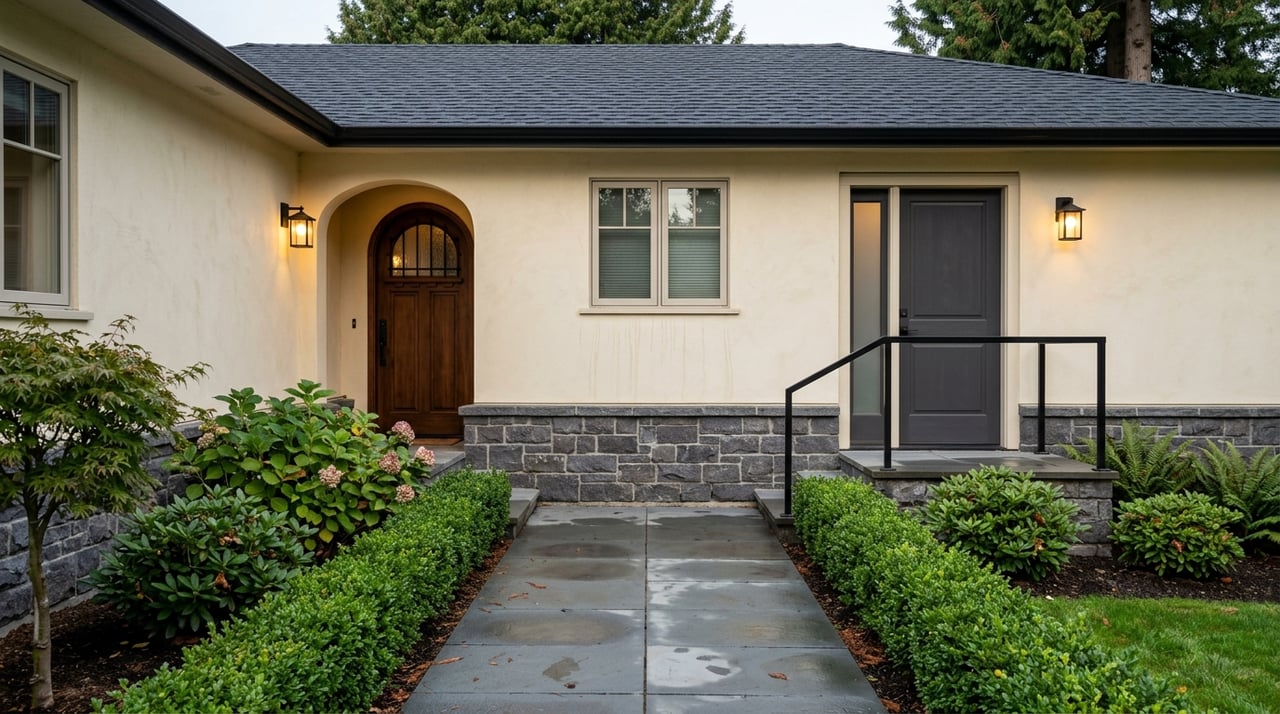
Investing in Edmonds Real Estate with ADUs and Duplexes
March 26, 2026
March 26, 2026
Thinking about adding an ADU, buying a duplex, or house‑hacking in Edmonds? Recent rule changes opened new doors for small‑scale investing, and the details matter if you want your plan to pencil. You want clear answers on what you can build, where, and the steps to take before you spend a dollar. This guide breaks down Edmonds’ updated ADU and middle‑housing rules, what to check first, and simple scenarios to help you plan next steps. Let’s dive in.
Edmonds updated its local code to align with Washington’s recent housing laws. The City adopted new ADU rules in June 2024 and a Middle Housing ordinance in June 2025 that reshaped where duplexes and other small multi‑unit homes are allowed. You now have more options to add units or buy small multi‑family in neighborhoods that were once single‑family only.
State law is the driver. Washington’s ADU law, HB 1337, requires cities to allow more ADUs and limits certain local barriers. Edmonds implemented those standards in 2024. The City then adopted its Middle Housing ordinance in 2025, which permits duplexes and other small-scale housing types in the new Low‑Density Residential (LDR) zones.
Edmonds now allows both attached and detached ADUs. In many cases you can have up to two ADUs on a single‑family lot in specific configurations, such as two attached, two detached, or one of each. The City also removed some conditional‑use requirements and allows certain ADUs to be sold as a condominium where the code permits. You can review the policy summary on the City’s ADU code update page.
Edmonds publishes a practical handout that spells out technical limits. Maximum ADU size varies by LDR overlay: LDR‑S allows up to 1,000 square feet, while LDR‑M and LDR‑L allow up to 1,200 square feet. Structural lot coverage is capped at 35 percent. Typical detached ADU height limits and reduced rear setbacks are described by overlay in the handout. For specifics, use the City’s ADU informational handout.
Edmonds generally does not require an extra off‑street parking space for the first ADU. A second ADU typically requires one additional off‑street space unless the site is within one‑half mile of a major transit stop under state rules. The handout also notes utility checks you should do early, including water and sewer verification and potential General Facility Charges if a service needs to be upsized. Transportation and park impact fees usually apply for each new unit. You will find these items summarized in the City’s ADU informational handout.
ADUs require a residential building permit. Depending on scope, you may also need public works, utility, or fire review. The handout lists submittal checklists and what to include, like a site plan, plumbing fixture counts, and utility verification. Timelines vary by project complexity and workload, so build in time for feasibility, design, permit review, and construction.
Edmonds replaced its former single‑family zoning with a Low‑Density Residential framework that includes three overlays: LDR‑S, LDR‑M, and LDR‑L. The City’s Middle Housing ordinance allows duplexes, triplexes, fourplexes, and other small formats in these zones, with unit‑per‑lot maximums that vary by overlay. Start with the City’s Middle Housing page to see where these options apply.
The ordinance sets building standards so new homes fit neighborhood scale. For example, small multi‑unit types, including duplexes and stacked flats, are limited to roughly 25 feet of building height and must meet lot and setback standards. For the official standards and unit‑per‑lot limits, review Ordinance 4397.
If a property sits outside Edmonds city limits, unincorporated Snohomish County is the permitting authority. The County’s Assistance Bulletin explains that detached ADUs are allowed in urban unincorporated zones, often with allowances for two ADUs on a lot with a single‑family home or a duplex. Maximum detached ADU size is 1,200 square feet. You will need to verify water and sewer or obtain septic approval, and parking rules differ between urban and rural areas. Start with the County’s Detached ADU Assistance Bulletin.
ADUs can create recurring rental income on a property you already own, reduce your net housing cost, and add flexibility for multi‑generational living. Because state and local updates limit certain fees and allow sale‑as‑condo in some cases, a well‑designed ADU can also enhance resale value. Rules are specific, so confirm details with the City and your professional advisors before you set a budget.
Buying a duplex makes cash flow more immediate and often scales better than a single ADU. Under Edmonds’ middle housing code, duplexes are a permitted type in LDR zones, with standards that keep buildings compatible in height and bulk. You get two legal units under one roof and the chance to optimize rents or occupancy as the market moves.
House‑hacking is a practical first step for many buyers. You purchase a home that includes a separate suite or ADU, live in one unit, and rent the other. Local rent snapshots in Edmonds often range around 1,800 to 2,200 dollars per month depending on bedroom count, condition, and season. For a quick reference, see the current snapshot on RentCafe’s Edmonds rent overview. Always refresh numbers and run them with a lender and CPA before you commit.
Use this checklist early so you do not fall in love with a plan that will not work on your lot.
Backyard cottage in LDR‑M. You own a standard Edmonds lot with room behind the primary home. You design a 900‑square‑foot detached ADU that fits the lot coverage and setback rules. You expect market rent around 1,800 dollars per month based on current snapshots, then confirm utilities, fees, and parking to dial in total cost.
Duplex play in an LDR overlay. You are shopping for an existing duplex or a large lot where the new middle housing standards allow a side‑by‑side duplex. You verify the overlay, height limit near 25 feet, and required setbacks. You review impact fees and GFCs, then run rent comps and maintenance assumptions before offering.
These are illustrations. Your exact path depends on the lot, utilities, and today’s market. The right team can help you confirm feasibility before you commit.
Permits and reviews. Plan for a building permit for ADUs. New duplex construction or conversions can trigger additional land‑use review and potentially a Type II decision if a subdivision or lot split is involved. The City’s ADU handout lists required documents and process notes.
Fees and utilities. Transportation and park impact fees apply per unit in most cases. Water and sewer GFCs can apply when you add units or upsize a meter. Utility upgrades, PUD service changes, or septic work can materially affect budget.
Design and construction. Interior conversions typically cost less than a new detached build. Get two to three local bids early and confirm fixture counts because utility sizing and GFCs are tied to them.
Timeline. Plan for four stages: feasibility, design and bids, permit submission and review, construction. Timing varies by scope and agency workload, so protect your schedule with contingencies.
If your plan includes short‑term rentals, confirm Edmonds’ business license and code requirements before you proceed. STR rules are separate from ADU permissions and may include registration or operating standards. Start with the Edmonds Municipal Code landing page and contact City planning and licensing staff for the most current requirements, then verify HOA covenants where applicable.
Small‑scale investing in Edmonds works best when you match the right property to the right path. Whether you want to add an ADU, buy a duplex, or house‑hack, local rules and utility details shape both feasibility and returns. If you want address‑specific clarity and current comps, reach out to Adam Cobb for a focused plan, neighborhood insights, and introductions to trusted local designers, contractors, and lenders.
With an unwavering commitment to client satisfaction, Adam's approach is both approachable and highly responsive, earning praise for his ability to exceed expectations. Let Adam Cobb and his team guide you through a seamless real estate experience. With us, your goals are always our priority, and our expertise is your advantage.