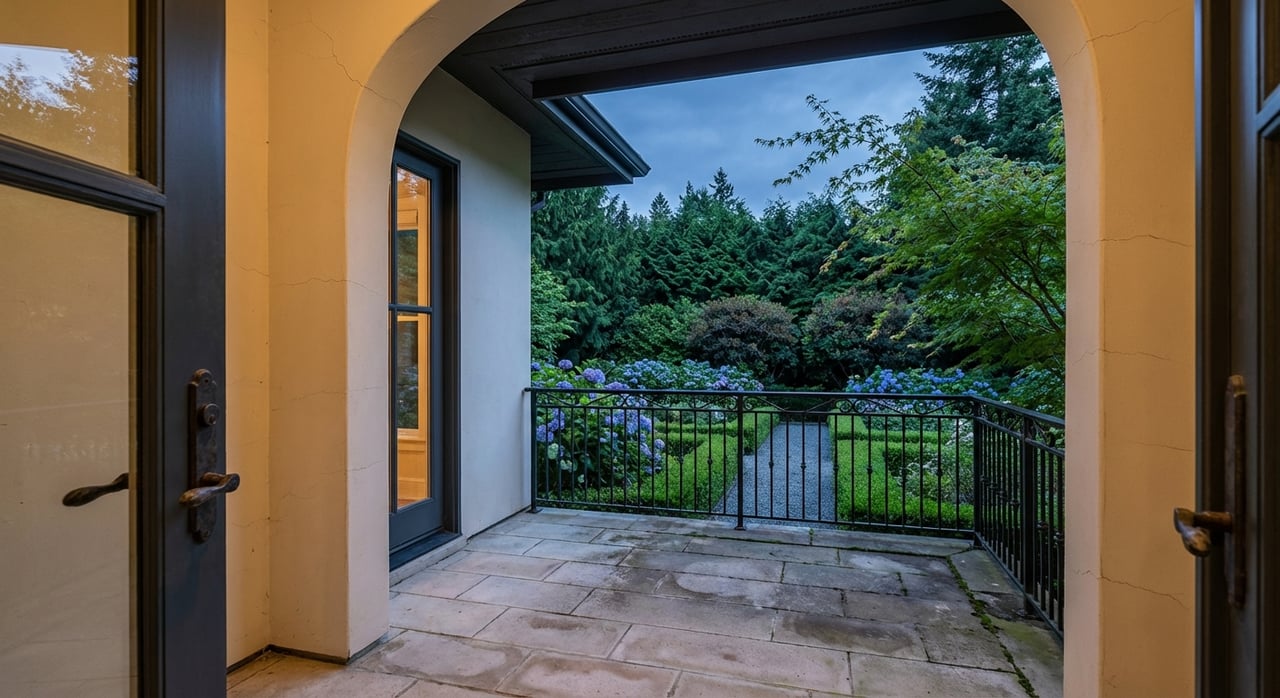
Pricing And Positioning Innis Arden View Homes
February 19, 2026
February 19, 2026
What is your Puget Sound view really worth? If you live in Innis Arden, you know the horizon is a major selling point, but pricing and positioning it well can feel tricky. You want a plan that respects the uniqueness of your outlook and still stands up to appraisers and buyers. In this guide, you’ll learn how to define your view, price it with local evidence, and present it so the market sees full value. Let’s dive in.
Perched on bluffs above the Sound near the Richmond Beach corridor, Innis Arden offers west-facing panoramas, Olympic Mountain backdrops, and golden sunsets that buyers covet. The neighborhood’s parks, greenbelts, and the Innis Arden Reserve shape both view opportunities and vegetation limits, and many homes sit to capture light and water. For local context, neighborhood groups highlight the area’s position above the shoreline and lifestyle around nearby amenities like Richmond Beach Saltwater Park and community spaces in Richmond Beach’s civic hub. Explore the area through the community’s overview at Richmond Beach Community Association.
Lifestyle features help demand too. The neighborhood’s private swim and tennis facilities and community clubhouse add to everyday enjoyment and marketability. See current facility details at the Innis Arden Swim Club.
Public price snapshots from aggregators often place Innis Arden home values around the two‑million range with low inventory. Those numbers are dynamic, so the smart move is to anchor your price to fresh local sales and a view‑aware CMA.
Not all views are valued the same. Studies show wide variation in price effects based on what you see, how much of it you see, and how permanent that outlook is. A review of landscape value research notes that premiums can range from small single digits to low double digits depending on scope and rarity, which is why your local sales set the real benchmark in Innis Arden. For background on how markets price scenery, see this summary on pricing landscape quality.
Beyond the horizon itself, sunlight and orientation matter. Research on housing value modeling shows measurable effects from additional daylight exposure in some markets, a good reminder that west-facing sunsets and south-facing light can influence perceived value and livability. If you are curious about the broader methodology, review this hedonic overview hosted on Scribd.
Here is a practical way to think about view classes when you and your agent pull comps:
The key is to measure these differences with Innis Arden sales rather than rely on national averages.
Document what a buyer will actually experience. Photograph the primary sightlines from your living room, kitchen, and primary suite, then repeat at twilight to capture sunset appeal. Note which rooms face the horizon, how wide the view is, and what might affect permanence, such as adjacent buildable lots or recorded easements. Organized proof makes it easier for buyers, appraisers, and underwriters to align on value.
Start with the principle of substitution. Select recent closed sales in the micro‑neighborhood that match size, age, condition, lot usability, and view class. If exact matches are scarce, use bracketing by pairing one superior‑view sale and one inferior‑view sale to frame an adjustment range. This approach follows standard valuation practice outlined in professional manuals like the Real Property Valuation Manual.
When paired sales exist, extract a percent or dollar difference that reflects the view gap. In thinner data conditions, combine careful qualitative notes with any numerical support you can document. Guidance aligned with Fannie Mae emphasizes that adjustments must be market‑supported and clearly explained. See appraisal FAQs on supported adjustments via NAN AMC’s Fannie Mae update summary.
Include labeled photos from the same vantage points used in your comps so an appraiser can match what they see. Explain the rationale for each adjustment and the evidence behind it, whether paired-sales extraction, percentage ranges, or narrative bracketing. For a clear overview of bracketing practice, review this guide from Riverfront Appraisals.
Aim for sales within the past 6 to 12 months inside Innis Arden or immediately adjacent streets that share the same elevation and sightlines. Expand distance only when needed to match the view class. If the market is moving quickly, include current listings and pendings to show how buyers are responding right now, and be ready to explain why any older sales are still relevant. See appraisal expectations on contemporaneous support in the Fannie Mae guidance summary.
Once you understand your view class and comps, place your list price where it attracts top‑tier attention without sacrificing leverage. In low‑inventory pockets, price bands that invite multiple high‑quality showings in week one often produce the strongest terms. If you plan to list meaningfully above neighborhood medians due to a premium view, consider a pre‑listing appraisal or a broker opinion backed by paired sales. Supported adjustments reduce appraisal risk and give buyers confidence, in line with Fannie Mae’s expectations.
Staging helps buyers visualize how they will live with the view. The National Association of Realtors reports that many agents see staging shorten time on market and increase offers, with uplift commonly cited in surveys. Read key findings in NAR’s summary on how staging boosts sale prices and reduces time.
Focus your effort where it counts:
Modest, targeted updates can reinforce the benefit of the view. Examples include refreshing deck boards or rails, adding a glass guard where appropriate, repainting in neutral tones, and trimming on‑site landscaping that crowds windows. Consider cost versus value before larger projects, and keep documentation for any permitted work.
Great imagery can amplify your view premium. Ask your listing team to capture:
These assets increase online engagement and help buyers and appraisers understand what they are paying for.
If the view is your lead story, schedule photos for a clear day plus a twilight set. If your view is seasonal or weather dependent, include both a bright‑day image and a clear‑day image and be transparent about frequency. Pair your visuals with targeted distribution to reach relocation and lifestyle buyers who prioritize outlooks, and avoid overstating the view in copy. Under‑promise and over‑deliver.
Tree rules matter in Innis Arden. Many private tree removals and some pruning activities are regulated. Before altering vegetation that affects a sightline, review the city’s guidance and permit thresholds on the City of Shoreline’s trees and vegetation page. If neighbor trees affect your view, do not act unilaterally. Recorded view easements or written agreements are the proper path.
Parks and greenbelts contribute to the neighborhood’s setting too. For a sense of local open spaces, see the city’s overview of parks and trails. When you present your home, it is fair to note proximity to these amenities in neutral, factual terms.
Gather these items before your valuation and launch:
If your list price leans well above median due to a standout view, a pre‑listing appraisal or detailed broker opinion backed by paired‑sales can reduce friction later. Appraisers and underwriters look for supportable, explained adjustments, as summarized in Fannie Mae’s appraisal expectations.
You deserve a plan that respects your horizon and maximizes your outcome. Adam Cobb & Team blends local storytelling with premium, presentation‑first marketing and Windermere’s luxury distribution to reach the right buyers and justify your view premium with evidence. If you are considering a sale, request your complimentary valuation and a tailored positioning plan from Adam Cobb.



With an unwavering commitment to client satisfaction, Adam's approach is both approachable and highly responsive, earning praise for his ability to exceed expectations. Let Adam Cobb and his team guide you through a seamless real estate experience. With us, your goals are always our priority, and our expertise is your advantage.