Boulevard Bluffs Home Features, Views, and Lifestyle
December 11, 2025
December 11, 2025
What draws you to Boulevard Bluffs is probably simple to describe and hard to find: sweeping Puget Sound views, privacy, and an easy connection to the water. If you are considering buying or selling here, you also know bluff living comes with unique design, maintenance, and permitting considerations. In this guide, you will learn what truly sets these homes apart, what to expect as an owner, and how to make smart decisions in this coveted corner of Snohomish County. Let’s dive in.
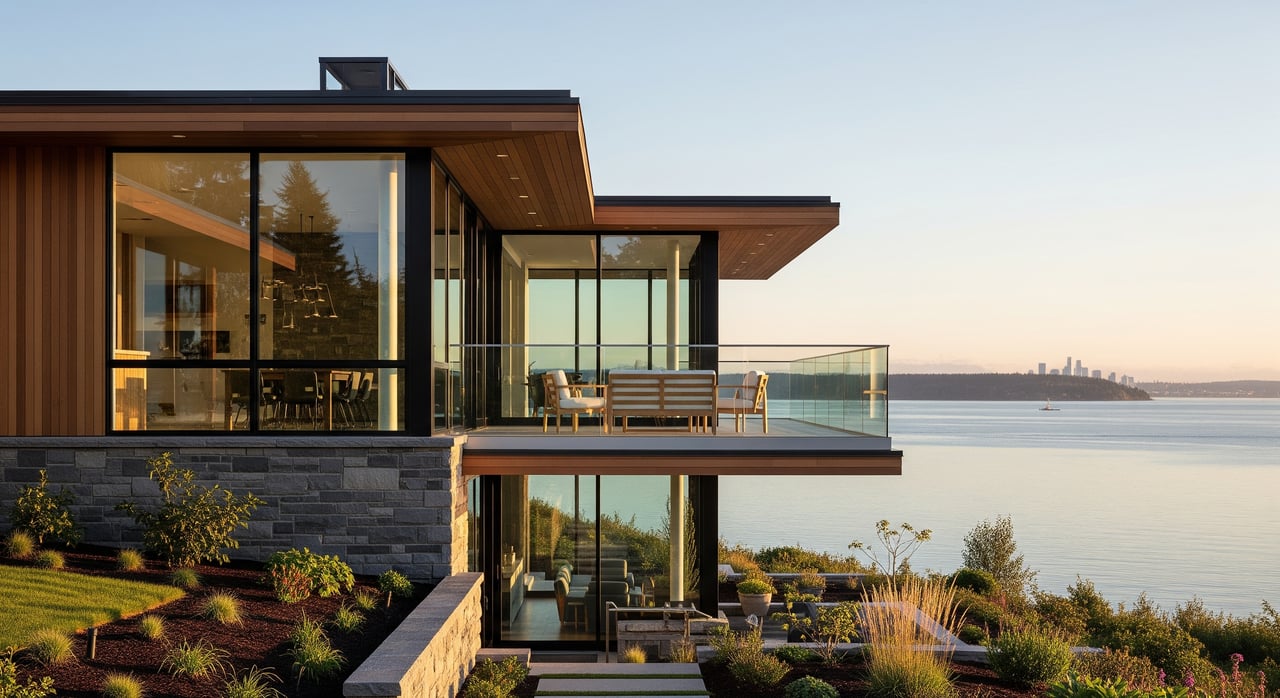
Boulevard Bluffs homes typically sit on higher ground above the shoreline or lowlands. The elevation creates dramatic outlooks over the water and islands, with some lots capturing sunsets depending on orientation. This topography is a major lifestyle draw and a key reason these properties trade at a premium relative to similar inland homes.
The slope and vertical separation from lower streets can add a sense of privacy. Outdoor spaces are a priority here. You will often see wide view decks, terraces, and rooftop areas that extend living outside and frame the Sound.
There are limited buildable bluff parcels, and many owners stay for years because of the lifestyle. That long ownership pattern keeps inventory tight, while strong buyer demand for views supports pricing over time.
Local bluffs are shaped by glacial soils and variable layers of sand and silt. Natural processes like surface runoff, groundwater seepage, and wave action at the toe can cause gradual bluff retreat. In some cases, episodic movement can accelerate change, which is why you should evaluate slope conditions carefully.
Concentrated runoff on slope faces can undermine stability. Thoughtful lot drainage, catchment, and subdrains are common features on well-managed properties. Deep-rooted native plants help hold soil better than shallow lawns, and over-clearing vegetation can increase risk.
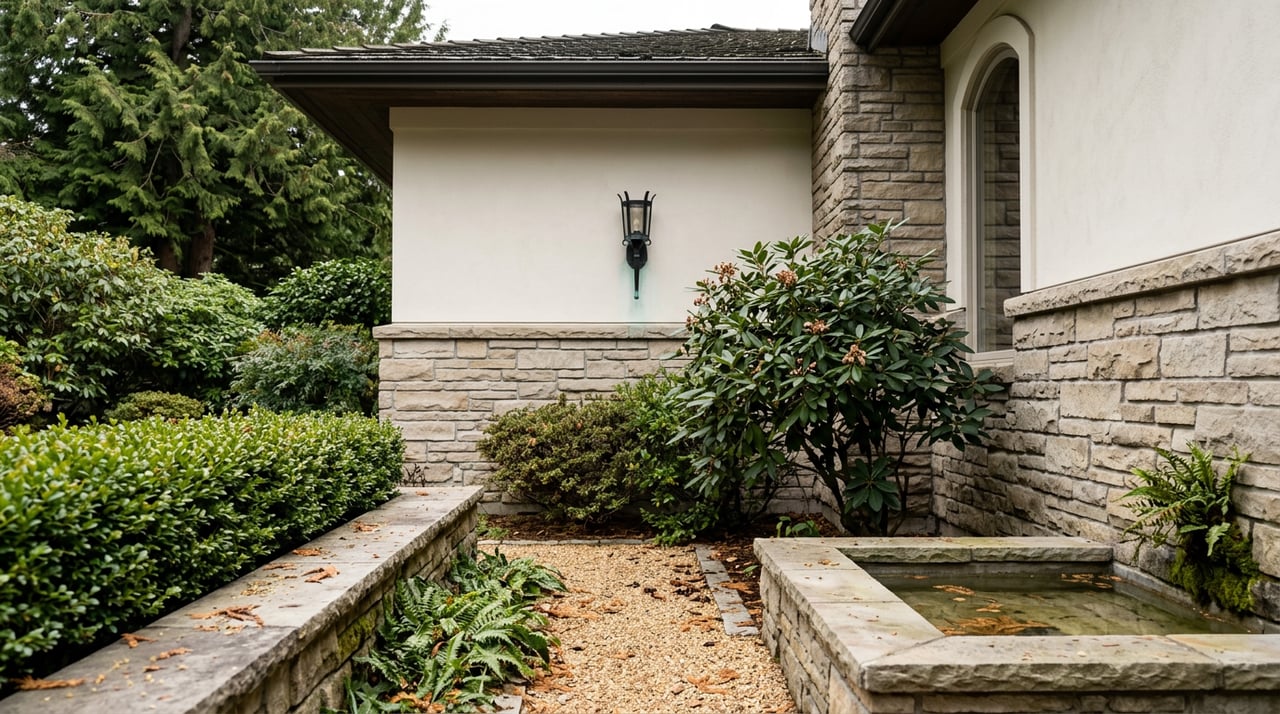
West-facing bluff exposures see different wind and sun patterns than inland lots. Salt spray and stronger winds can age materials faster, which affects siding choices, metal finishes, and landscaping plans.
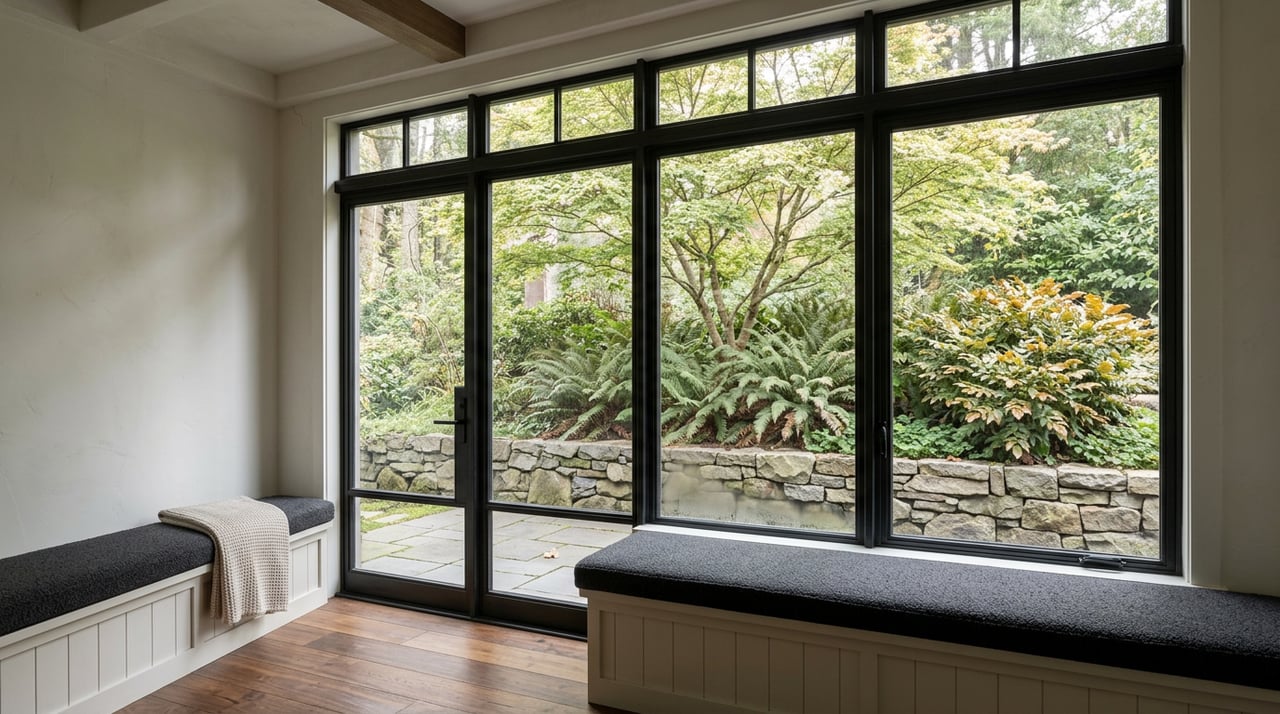
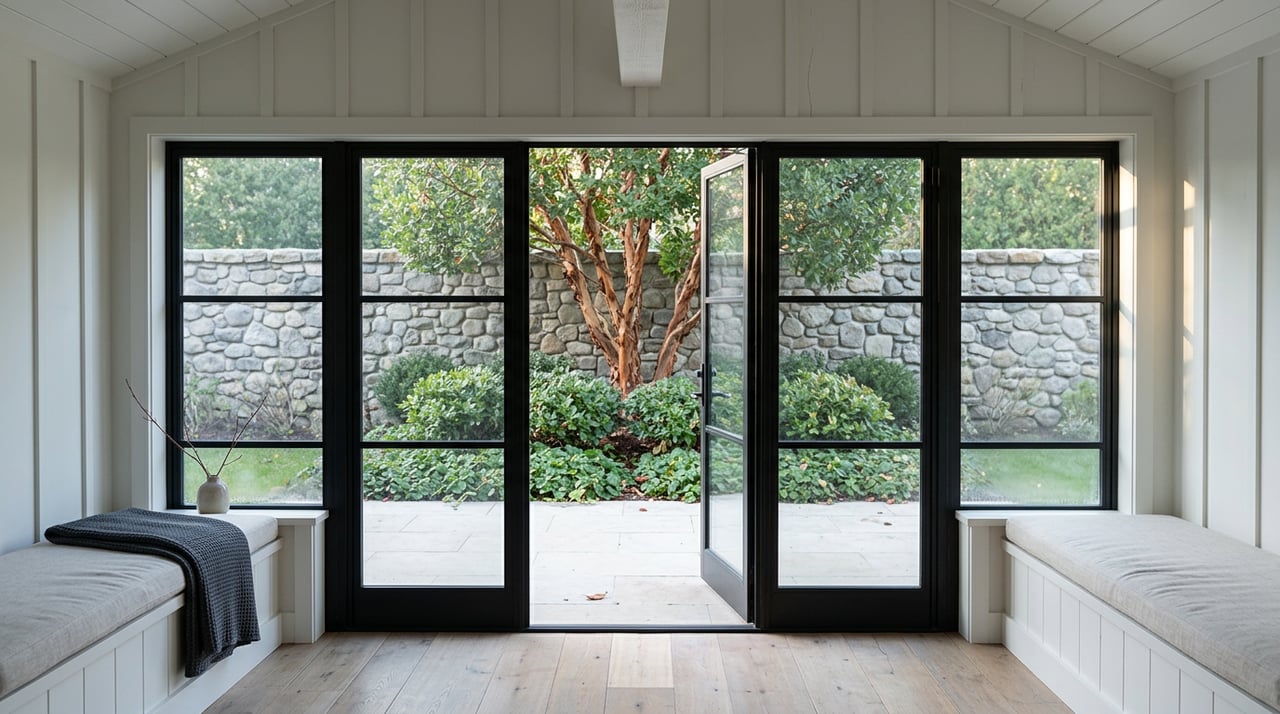
Homes often step down the hill with split levels or tiered foundations. Large windows face the view, and walkout lower levels connect indoor spaces with patios or terraces. Many renovations focus on enlarging openings and adding decks to elevate the experience.
You will frequently see corrosion-resistant fixtures, durable exterior cladding, and heavy-duty coatings on the seaward side. Foundations and retaining structures are often engineered for the specific site, and some lots call for deep footings or piles depending on soil conditions.
Bluff exposure can mean more frequent exterior paint cycles, faster deck wear, and corrosion on metal elements. Plan for specialized landscaping that prioritizes erosion control and ongoing drainage upkeep. If shoreline or retaining structures are present, expect periodic inspections and potential permitting for future work.
Snohomish County and Washington State treat steep slopes and shorelines as critical areas. Setbacks, buffers, and permit conditions can affect how and where you build, grade, or landscape. Projects that change the slope or shoreline often require specific approvals in addition to a building permit.
A geotechnical report is commonly required for new homes, substantial additions, retaining walls, or slope stabilization. These reports recommend foundation types, drainage plans, and monitoring. Even if you are not building, having current geotechnical information helps you understand risk and long-term maintenance.
Standard homeowner policies may exclude earth movement. Ask about endorsements or separate coverage that addresses landslide risks. Sellers must disclose known slope movement, past stabilization work, and any related claims according to Washington disclosure requirements. If a property includes lower shoreline areas, confirm whether flood insurance applies.
Views and proximity to the water are primary value drivers, supported by privacy, lot size, and architectural quality. Unobstructed outlooks command premiums, while visible risk or deferred maintenance on slopes can temper pricing.
Lenders and appraisers scrutinize view quality and geotechnical risk. Construction or major remodel loans may require engineering documentation. Appraisals weigh comparable sales with care because small differences in view or lot position can have an outsized impact on value.
Common buyers include professionals, investors, and empty-nesters who prioritize views and outdoor living and are comfortable with higher maintenance and insurance planning. Many buyers accept longer commutes in exchange for the lifestyle.
Bluff properties reward careful planning and experienced guidance. You deserve a team that understands slope rules, view premiums, and how to position your home for top results. If you are weighing a move in Boulevard Bluffs, we can help you evaluate options, gather the right documentation, and market the lifestyle with premium presentation. Reach out to Adam Cobb to discuss your goals or request your complimentary home valuation.
With an unwavering commitment to client satisfaction, Adam's approach is both approachable and highly responsive, earning praise for his ability to exceed expectations. Let Adam Cobb and his team guide you through a seamless real estate experience. With us, your goals are always our priority, and our expertise is your advantage.