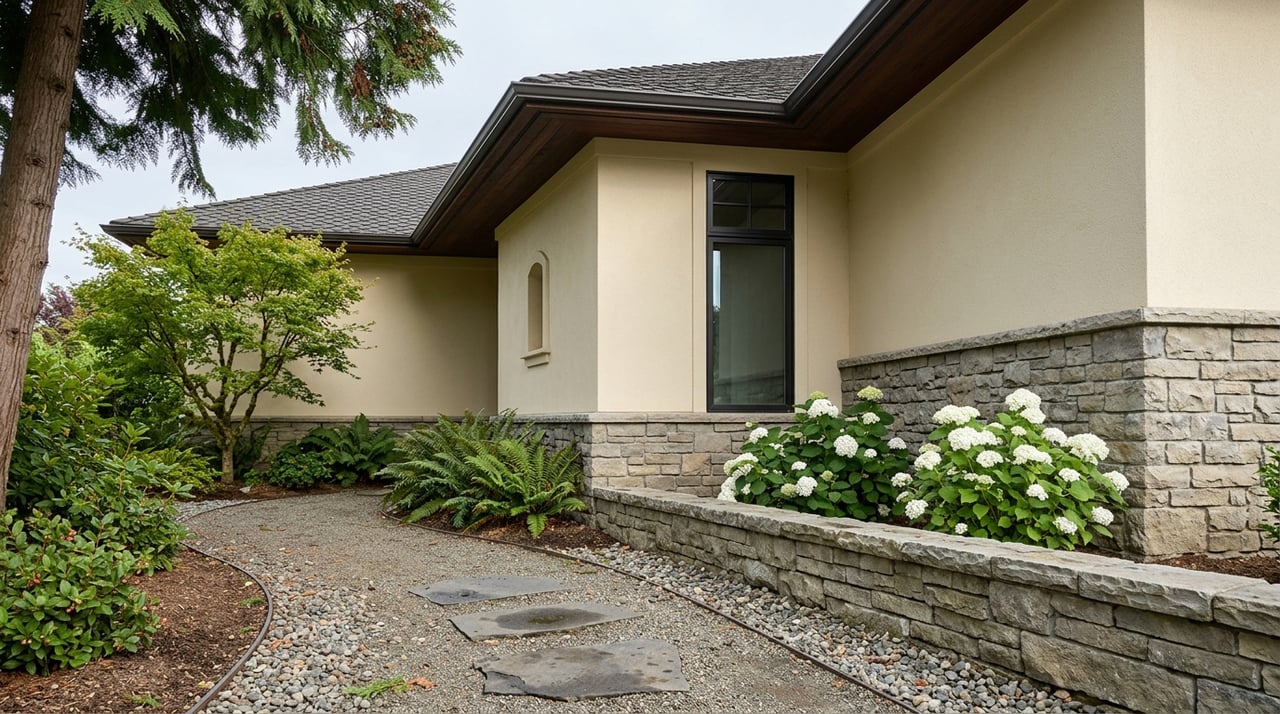
Thinking about selling your Picnic Point home next spring? You are not alone. Many Snohomish County sellers aim for the peak season but feel unsure about what to fix, when to start, and how to showcase a water or territorial view. This guide gives you a clear, local prep timeline and practical steps that fit the Picnic Point market, including view-focused staging, permits, and photo strategy. Let’s dive in.
Why timing matters in Picnic Point
Spring, especially March through June, is the busiest home-buying season across the Puget Sound. Listings that go live in that window usually see stronger traffic and faster results. Longer daylight and better weather also make your exterior and view photography shine.
Buyer demand in Picnic Point draws from the broader Seattle–Bellevue–Everett region. Proximity to I-5 and SR-526, access to Paine Field and Boeing, nearby ferry connections, and Puget Sound recreation all matter. For water and view homes, buyers often come from King County for better value or seek a second home. They are sensitive to condition, clean sightlines to the water, and clear parking and access.
Your 12-month prep timeline
9–12 months out: Plan and prioritize
- Interview a local listing agent to review comparable sales and tailor your plan to Picnic Point and the coastal submarket.
- Decide if major projects will pay off after costs, such as roof replacement, foundation or structural work, HVAC, or shoreline and seawall repairs. Confirm permit timelines with the county.
- Map out curb appeal projects that take time: exterior paint, siding repairs, deck stabilization, driveway fixes, and simple landscape design.
- Align your budget and marketing strategy with an ideal spring launch.
4–9 months out: Inspections and decluttering
- Consider pre-list inspections to uncover issues early: general home, roof, HVAC, and pest or wood-destroying organisms.
- Order specialized inspections if needed: seawall or shoreline engineer review, geotechnical for erosion-prone lots, and septic inspection if applicable.
- Tackle safety and cosmetic repairs. Focus on leaks, glazing, electrical updates, floor refinishing, and fresh neutral paint.
- Start decluttering room by room to open up space and emphasize the view.
- Confirm utility details and serviceability. If you have a private well or septic, make sure records and inspection requirements are clear. Document access and parking arrangements.
1–4 months out: Staging and exterior prep
- Finalize your staging plan. Whether you bring in a pro or take a DIY approach, aim for simple, low-profile furnishings in rooms with views.
- Prune or remove shrubs that block sightlines, power-wash decks and paths, and add potted plants to refresh curb appeal.
- Stage outdoor living areas with seating, an outdoor rug, and lighting so buyers can picture daily life at the water’s edge.
- Book a professional photographer who knows view homes. If you plan aerials, schedule a certified drone operator and be mindful of FAA rules.
- Target photo days with good light and calm conditions. Interiors with water-facing windows often look best in the morning. Exteriors and view decks pop during golden hour.
- Prepare seller disclosures with your agent and gather documentation.
1–4 weeks out: Final polish
- Deep clean every surface. Pay special attention to windows, glass doors, and railings so the water and sky feel crisp.
- Complete final staging. Depersonalize, edit accessories, and arrange furniture to keep sightlines clear.
- Do a walk-through with your agent to confirm your home is photo-ready and show-ready.
Listing week and showings
- Go live with professional photos, floor plan, and if appropriate, a 3D tour. Consider twilight shots to capture reflections on the Sound.
- Use a clear showing protocol with a keybox and flexible hours. If shoreline access is part of the story, plan tide-aware showing times and allow for exterior viewing.
- Host a broker tour and an early open house if the market supports it.
Under contract to close
- Share pre-list inspections, permits, utility bills, and service records with buyers as requested.
- Plan for escrow of about 21 to 45 days depending on the contract terms and financing. Your agent will guide you on local timelines.
View-home details that pay off
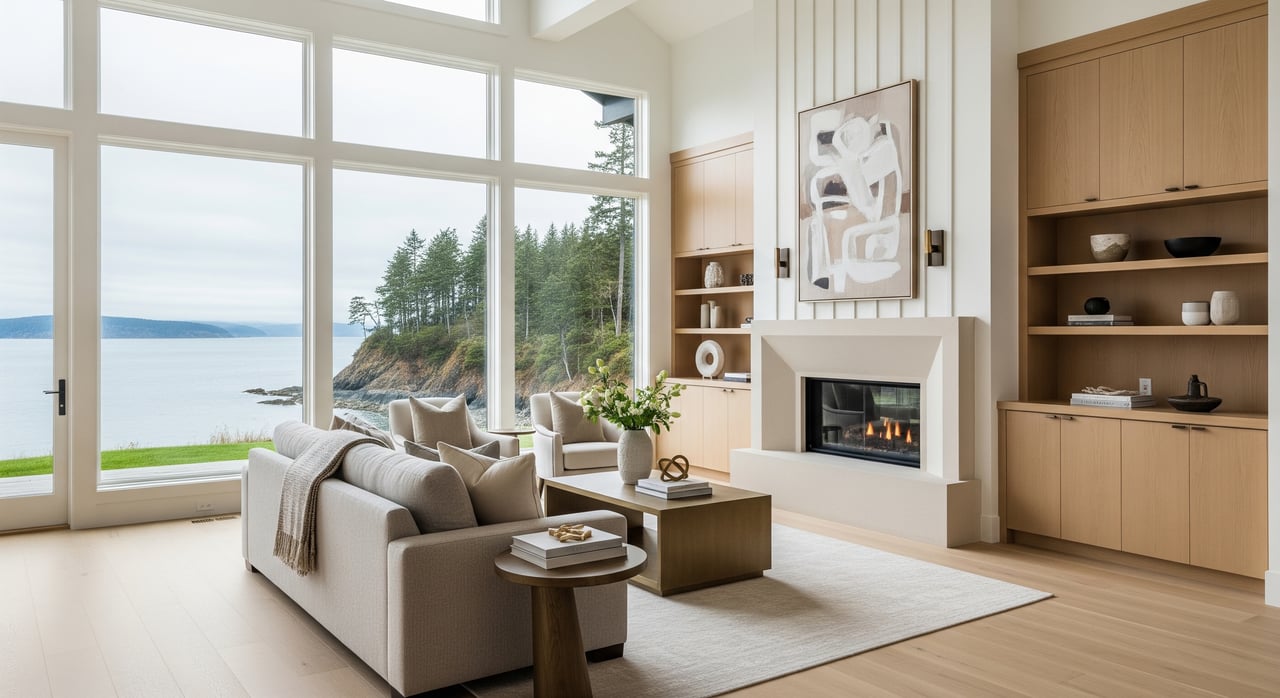
- Maximize the view. Trim or remove vegetation that blocks water or island sightlines. Swap heavy window treatments for light fabrics. Use lower-profile furniture in view rooms and on decks.
- Keep glass pristine. Clean windows and sliders often so buyers see reflections and depth in the water and sky.
- Create viewing moments. Add a bench or a pair of chairs at key vantage points and ensure clear pathways to the best overlooks.
- Show the lifestyle. Stage decks and patios as usable rooms so buyers can feel morning coffee sun or sunset dinners.
- Get the media right. Use wide-angle interior shots to show flow to the view, twilight exteriors for reflections, and accurate aerials to show lot orientation and shoreline context. Avoid any cropping that misrepresents distance to the water. A 3D tour helps remote buyers evaluate sightlines and scale.
Permits, disclosures, and rules
- Washington sellers must provide written disclosures about known material defects. For waterfront and view properties, include details about shoreline stabilization, flood history, and septic versus sewer.
- Snohomish County Planning and Development Services oversees building and shoreline permits. Shoreline repairs or new structures may require a shoreline substantial development permit. Deck, roof, and major exterior work often need permits and inspections, so verify before starting improvements.
- Check FEMA flood maps for your current flood zone. Flood designation can affect insurance, lending, and buyer interest. Provide any known flood history and documents early.
- For long-term coastal hazards and sea-level rise context, consult state and federal resources and share relevant documentation with buyers.
- If your home was built before 1978, federal law requires lead-based paint disclosures.
- If you have a septic system or private well, gather records and be ready for inspection requests. Sewer connection or septic replacement can add time.
- Follow FAA rules for any commercial drone photography. Be mindful of local flight paths, including proximity to Paine Field.
Pricing and launch strategy
Pricing for view homes varies with degree of view, elevation, privacy, and shoreline improvements. Local comparable sales in Picnic Point and nearby coastal neighborhoods are essential. If you plan a spring launch, start photography and prep during late winter so you can hit the early wave of buyer demand.
What to gather now
- Core team: a local real estate broker experienced with shoreline and view properties, a licensed general contractor, a marine or shoreline engineer, a certified home inspector, a pest or WDO inspector, a septic inspector if needed, a professional real estate photographer and Part 107 drone operator, a stager, and a landscaper.
- Documents: prior permits, property survey, septic records, warranties for recent replacements, insurance claims history, recent utility bills, and any HOA or community documents.
Ready to talk strategy?
You do not have to tackle this alone. With deep North Puget Sound expertise, premium presentation, and a coordinated marketing process, Adam Cobb & Team helps you plan, stage, and launch your Picnic Point sale with confidence. If you are 6 to 12 months from listing, now is the time to align repairs, permits, and media with the spring market. Request your complimentary home valuation and a tailored prep plan from Adam Cobb.
FAQs
When should I hire an agent to sell in Picnic Point?
- If major repairs or permits are likely, start 6 to 12 months out; for mostly cosmetic prep and staging, 1 to 3 months can be enough.
Do I need a pre-listing inspection for a waterfront or view home?
- A pre-list inspection helps identify issues early, reduce buyer contingencies, and speed escrow, which is especially useful for older or shoreline properties.
What permits should Snohomish County sellers check before listing?
- Confirm permits for shoreline structures, docks, decks, major remodels, and septic system work; unpermitted items may need retroactive permits or clear disclosures.
How do flood maps and sea-level rise affect my sale?
- Flood zone status influences insurance and lending, and long-term coastal hazard context can shape offers; provide clear documentation early to support buyer decisions.
Are drone photos allowed near Paine Field?
- Yes, but commercial shoots must follow FAA Part 107 rules and any local restrictions; hire a certified operator and fly responsibly.
How long does escrow usually take in Snohomish County?
- Typical escrow ranges from 21 to 45 days depending on contract terms and financing; your agent will set expectations based on your deal.