Selling a Richmond Beach view home starts long before the first showing. Buyers come for the water, sunsets, and lifestyle, so your staging should make those moments feel effortless the second someone walks in. If you are unsure where to start or how to balance indoor comfort with outdoor drama, you are not alone. In this guide, you will learn how to frame your Puget Sound views, create easy indoor-outdoor flow, and set up photos and video that help you sell for maximum value. Let’s dive in.
Why Richmond Beach views matter
Richmond Beach sits on the Puget Sound with many west-facing homes that catch ferry routes, maritime activity, and Olympic Mountain sunsets on clear days. The neighborhood belongs to the City of Shoreline, with a strong coastal identity and parks that anchor the community. For local context and planning details, explore the City of Shoreline’s neighborhood information on the official site at shorelinewa.gov.
The marine west coast climate shapes how you stage. Expect frequent overcast and rain in fall through spring, then brighter, late-evening light in summer. The National Weather Service summarizes these patterns for Western Washington at weather.gov. Your staging should counter grey days with warm, layered lighting, then lean into dramatic sunsets for marketing.
Stage to frame the view
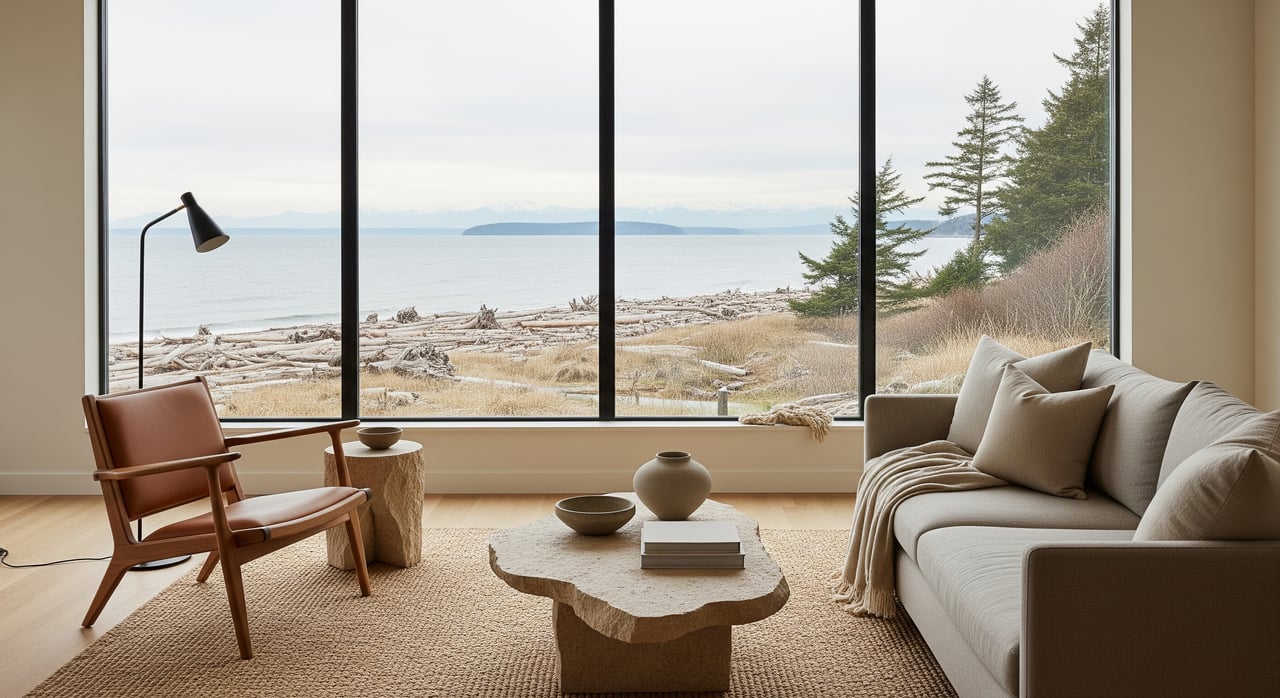
Prioritize sightlines
- Place your main seating to face the water. Keep groupings conversational without blocking windows.
- Clear the first 3 to 6 feet in front of windows to create a clean “frame.” Move tall plants and bulky storage away from glass.
- Limit high-backed chairs near windows. Opt for lower profiles that preserve the horizon line.
Make windows work
- Choose side-draw drapes, simple sheers, or top-down shades that retract fully for showings.
- Avoid heavy, dark treatments that make rooms feel closed. Aim for light fabrics that soften, not block.
- Keep sills clear. A single vessel or plant is fine, but clutter competes with the view.
Balance light on overcast days
- Layer light: ceiling fixtures, floor and table lamps, and subtle accent lighting.
- Use warm bulbs to counter cool natural light. Aim for consistent color temperature throughout the main level.
- For photography, plan sessions when interior and exterior exposure balance. Late afternoon to twilight often works best for west-facing water.
Room-by-room checklist
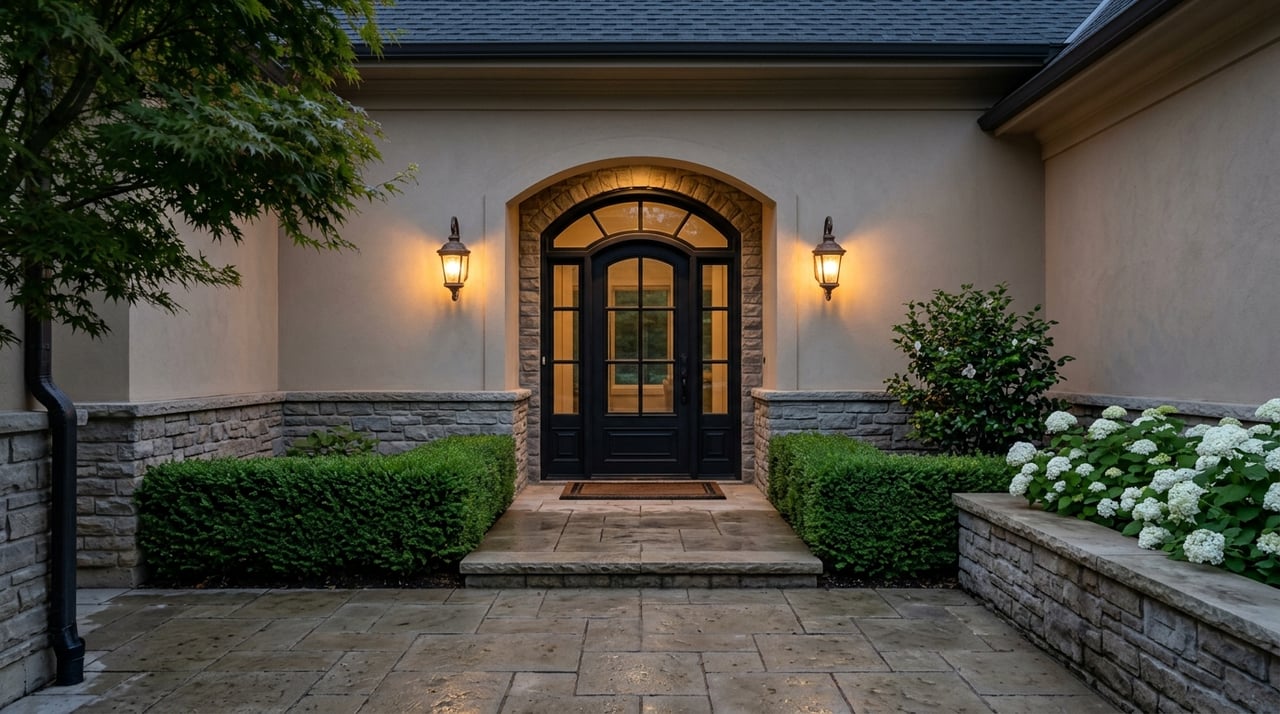
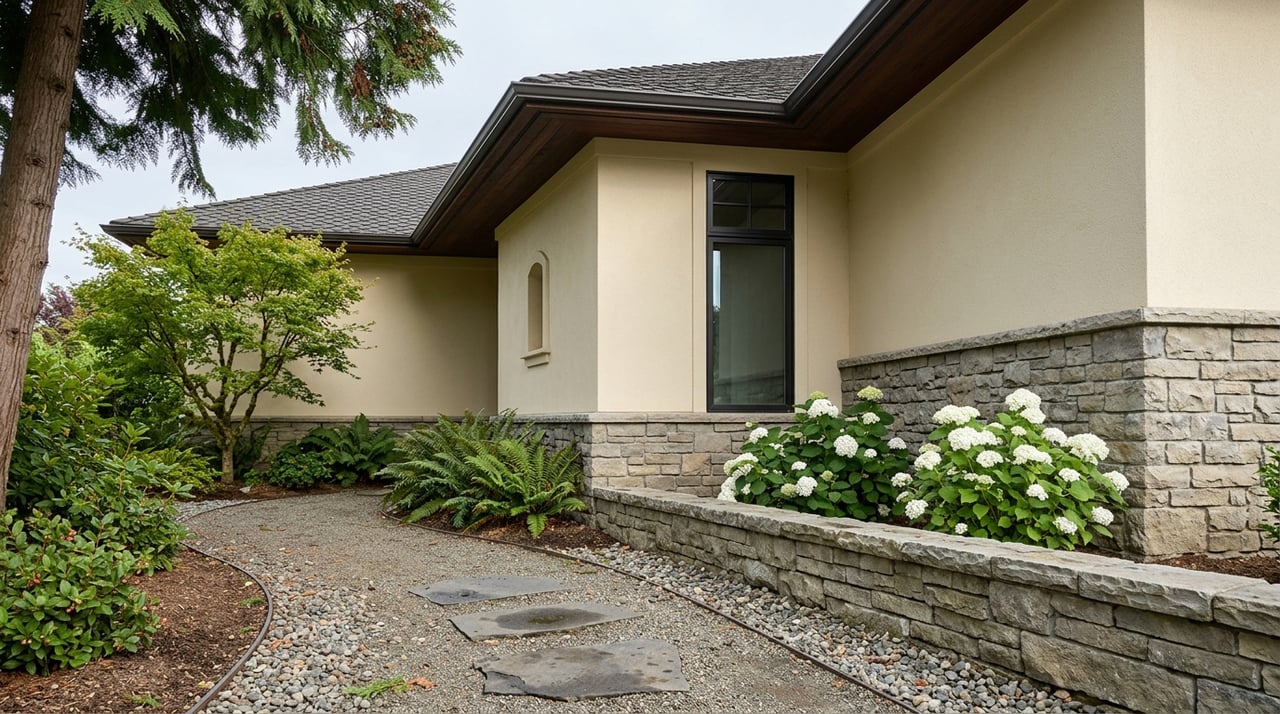
Entry and curb appeal
- Pressure-wash walkways and steps. Moss and algae are common here.
- Refresh the front door with paint and clean hardware. Replace corroded fixtures as needed.
- Add simple, low-maintenance container plants. Ensure house numbers and exterior lights are visible and working.
- Store bikes, tools, and tarps out of sight.
Living or great room
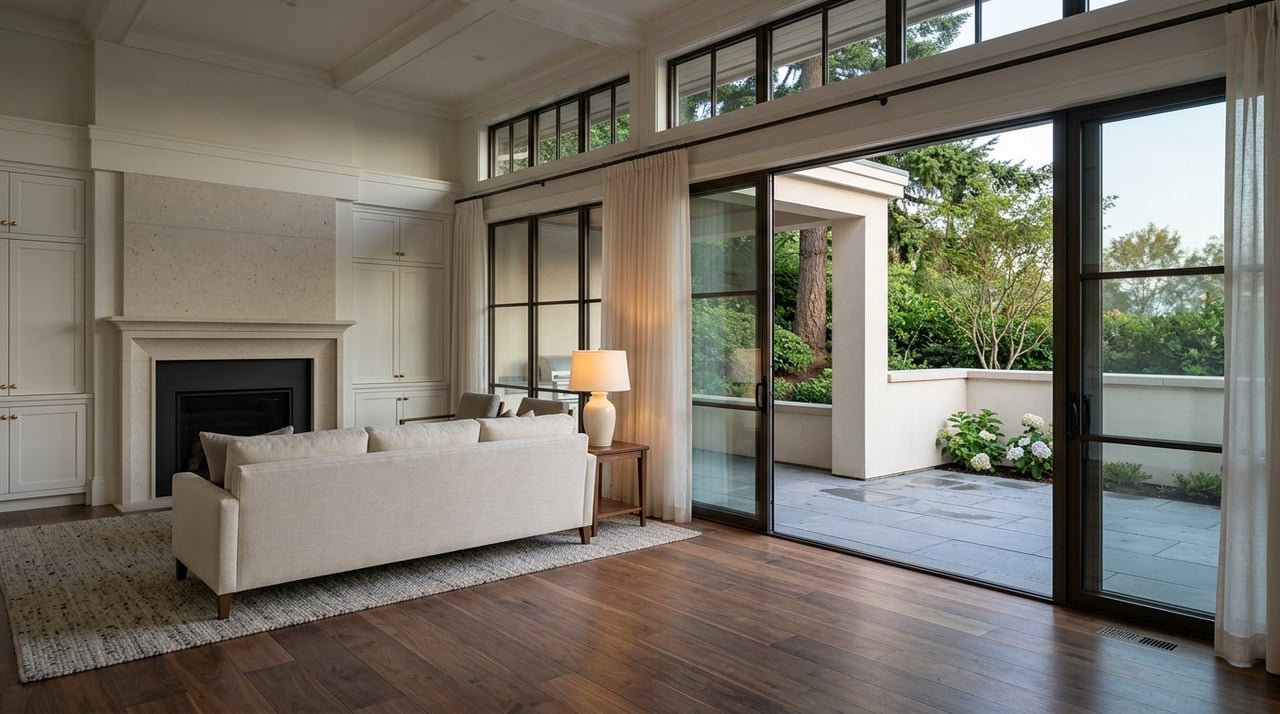
- Orient the sofa toward the water. Float furniture if it opens the view.
- Keep a calm, neutral palette and add warm textures. A few coastal-inspired accents are enough.
- Use layered lighting so the room feels bright on cloudy days and inviting at sunset.
- Minimize window coverings and remove bulky items that block glass.
Kitchen and dining
- Clear counters. Stage a simple breakfast tray or a single bowl of seasonal fruit near the window.
- Polish appliances, clean backsplashes, and keep the sink area spotless.
- If dining connects to a deck, set the table and show a direct, unobstructed path outside.
Primary suite and balconies
- If possible, position the bed to capture the view. If not, create a cozy seating vignette facing the window.
- Choose neutral bedding with layered textures for a spa-like feel.
- On balconies, add a compact bistro set and a small planter. Keep everything scaled so it feels usable, not cramped.
Bathrooms
- Keep it spa-simple: crisp white or neutral towels, a small plant, and minimal countertop items.
- Privacy matters. Use tasteful shades that filter without suggesting the view must stay hidden.
Outdoor living
Stage a conversation area that faces the water and shows how you entertain at sunset.
Refresh or replace worn cushions. Choose quick-drying, salt-tolerant outdoor fabrics.
Inspect decks and railings. Replace warped boards, tighten fasteners, and refresh stain or paint.
Add potted evergreens or native shrubs to define zones while keeping sightlines clear.
Coastal care that builds confidence
Living near the Sound means salt, wind, and moisture can be tough on finishes. Address these items before photos and showings:
- Clean corrosion on exterior fixtures and railings. Replace if badly pitted.
- Re-caulk windows and doors as needed; check for mildew and address thoroughly.
- Trim or remove vegetation that may obstruct long-range views as it matures.
Sellers must follow disclosure laws. Do not stage to conceal water intrusion or storm damage. If you have questions about local permitting or shoreline guidelines, start with the City of Shoreline’s resources at shorelinewa.gov. For property data and records, you can review the King County Assessor property information.
Photography and marketing that sell the sunset
Great staging deserves strong media. Your photos and video should reveal both the home and the view without forcing buyers to choose.
- Capture two sets of photos: a daytime set for clarity and a twilight set to showcase sky color and water reflections.
- Hire a photographer experienced with view homes and high dynamic range imaging to balance bright windows with interior detail.
- Include interior compositions that show the view from key rooms, plus exterior shots that place the home in the shoreline context.
Drone best practices
Aerials can highlight proximity to the water and neighborhood amenities. If you use a drone, confirm the operator follows FAA rules for commercial flights. Review the FAA’s guidance on unmanned aircraft systems at faa.gov/uas. Use drone footage to complement, not replace, lifestyle-focused images of decks, seating nooks, and sunset moments.
Virtual staging and 3D tours
For vacant homes, virtual staging can convey scale at a lower cost. Keep digital furnishings realistic and never alter the actual view. 3D tours are helpful for remote buyers, especially if captured on a day when the water and horizon are visible.
Showings and open houses
On cloudy days, turn up interior lighting and open shades fully. In winter, emphasize warmth with textiles and a staged fireplace. In summer, set your deck with glassware and soft lighting to preview evening entertaining.
Budget and ROI: where to invest
You can approach staging in tiers: DIY refresh, partial professional staging for key rooms, or full-home staging. Costs vary by property size and scope. Focus on investments that highlight the view and lifestyle.
Smart places to allocate budget:
- Living or great room, primary suite, kitchen, and outdoor spaces. These sell the home.
- Professional photography and a twilight session. The sunset story is a major value lever.
- Exterior tune-ups that buyers notice fast: cleaned windows, refreshed railings, and tidy landscaping.
- Virtual staging for empty secondary spaces if full staging is not feasible.
Industry research commonly finds staged homes sell faster and can command higher prices than un-staged properties. Actual ROI depends on your price point, market conditions, and staging quality. For best practices and resources, the Real Estate Staging Association offers guidance at resa.org.
When to hire a professional stager
Consider professional help when:
- The home is vacant or highly personalized and needs neutralization.
- The layout is unusual and requires thoughtful furniture placement.
- You are aiming for a premium price point where presentation expectations are high.
For modest updates, a hybrid approach works: hire a stager for the main rooms and DIY secondary spaces.
Simple two-week staging action plan
Use this quick plan to create momentum without overwhelm.
Week 1:
- Declutter and donate. Remove at least one large item per room.
- Service the view: wash windows, clean tracks, and trim shrubs.
- Book your photographer and, if needed, a drone pilot who follows FAA rules.
- Confirm any minor repairs: deck boards, caulk, paint touch-ups.
Week 2:
- Install window treatments that retract fully.
- Bring in key staging furniture and textiles with warm tones.
- Stage the deck with a scaled seating set and fresh cushions.
- Final clean and style day. Then photograph on a clear or bright day, plus a twilight session.
Local resources to verify details
When your staging and marketing work together, your Richmond Beach view becomes the hero of every showing and every screen. If you want a presentation plan tailored to your home and a launch that reaches the right buyers, connect with our team. Request your complimentary home valuation with Adam Cobb and position your property for a standout sale.
FAQs
What is the best time to photograph a west-facing Richmond Beach home?
- Late afternoon to twilight usually balances interior light with exterior water and sky detail, and it highlights the sunset potential buyers expect in west-facing properties.
How should I handle window coverings when staging a view home?
- Use side-draw drapes, sheers, or top-down shades that fully retract for showings. Avoid heavy treatments that darken rooms or block horizon lines.
Do I need drone photos for my Richmond Beach listing?
- Drone images can help show proximity to the water and neighborhood context, but use them to supplement lifestyle-focused photos. Ensure the operator follows FAA rules for commercial flights.
Can virtual staging replace physical staging in view homes?
- Virtual staging helps online, especially in vacant rooms, but buyers respond best in person. Consider a hybrid approach: stage key areas physically and use virtual staging for secondary spaces.
What exterior updates matter most near Puget Sound?
- Clean windows, refresh deck and railing finishes, replace corroded fixtures, and trim vegetation that may block the view. Choose low-maintenance plantings that tolerate wind and salt.
How much should I budget to stage a Richmond Beach view home?
- Costs vary by size and scope. Many sellers prioritize the living area, primary suite, kitchen, and deck, plus professional photography. Virtual staging can reduce costs for secondary spaces.